Jean Prouvé
1901–1984 · Industrialised folded-sheet construction; lightweight curtain wall and demountable houses
A metalworker, builder and engineer without a degree, Jean Prouvé applied industrial methods to building: folded sheet metal, prefabricated elements, dry assembly.
Biography
Born on 8 April 1901 in Paris, the son of the painter Victor Prouvé, Jean Prouvé trained as a metalworker and opened his workshop in Nancy in 1924. There he made furniture, façades and structures in sheet steel and later aluminium.
As a builder he worked with leading architects, then taught at the Conservatoire national des arts et métiers. In 1971 he chaired the jury of the Centre Pompidou competition. He died in Nancy on 23 March 1984.
What he invented or proved
Prouvé folded sheet metal to stiffen it, as in the car or aircraft industries: light columns, frames and panels, made in the workshop and erected in a few days. He invented the lightweight curtain wall and demountable houses.
For him, a building should be made the way a car is made.
His works
- Maison du Peuple, Clichy (1939), with Beaudouin, Lods and Bodiansky.
- Tropical Houses (1949–1951), demountable, for Africa.
- Aluminium Centenary Pavilion (1954) and the Évian pump room (1956).
What we owe Jean Prouvé
Prefabricate, assemble dry, be able to dismantle: these principles return with low-carbon construction and reuse, which we include in our design thinking.
Sources
- Encyclopædia Universalis, « Prouvé Jean (1901-1984) »
- Centre Georges-Pompidou, fonds Jean Prouvé
- Structurae, fiche « Jean Prouvé »
Tester mes connaissances sur les grands bâtisseurs
See also
In our projects
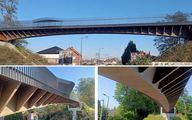
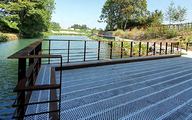
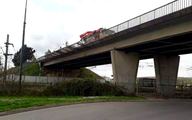
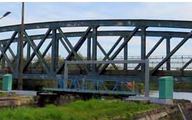
A few structures of the same type studied by THEOREMS.